


For years, robotics has been closely associated with automation. Machines followed predefined rules, executed repetitive tasks, and prioritized efficiency and scale. However, as we move into 2025, robotics is undergoing a fundamental shift. Today’s systems are no longer just automated — they are becoming intelligent.
This evolution is driven by the rapid advancement of AI, which is transforming robots from task executors into adaptive, data-driven systems capable of learning, decision-making, and continuous improvement.
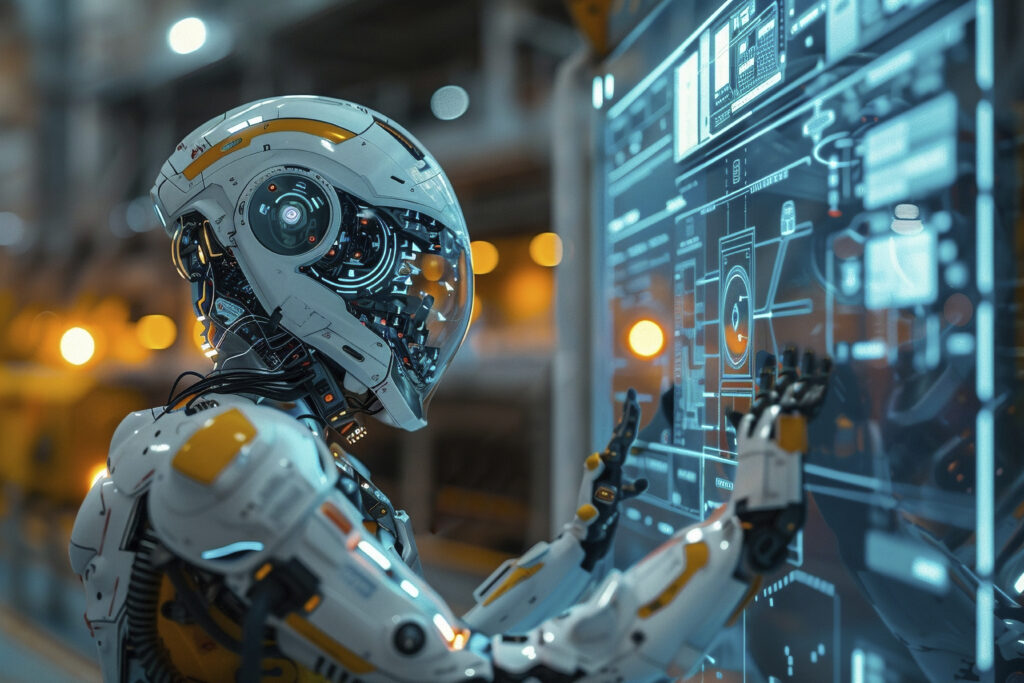
From Rule-Based Automation to Intelligent Systems
Traditional robotic systems relied on fixed logic and predictable environments. They worked well on factory floors and controlled settings, but struggled with variability, context, and real-world complexity.
In contrast, modern robotics integrates AI at its core. Machine learning models, computer vision, and real-time analytics allow robots to understand their environment, respond to changing conditions, and optimize behavior over time. As a result, robotics is shifting from static automation to intelligent operation.
Why Intelligence Matters More Than Automation Alone
Automation improves efficiency. Intelligence improves outcomes.
In 2025, businesses will no longer ask whether a process can be automated. Instead, they are asking whether a robotic system can adapt, learn, and scale with minimal human intervention. Intelligent robotics enables better decision-making, higher reliability, and more personalized experiences across industries.
Moreover, AI-driven robotics allows systems to improve continuously. By analyzing usage patterns, operational data, and user behavior, robots can refine their performance without constant manual updates.
Robotics as a Software-Driven Platform
One of the most significant changes in modern robotics is the growing dominance of software. Hardware remains essential, but software increasingly defines the value of robotic systems.
AI models, cloud connectivity, and data pipelines turn robots into platforms rather than standalone machines. This software-first approach enables remote monitoring, predictive maintenance, and rapid iteration — all critical capabilities for real-world deployment.
As a result, robotics in 2025 looks less like mechanical engineering alone and more like a fusion of software, data, and hardware working as a single system.
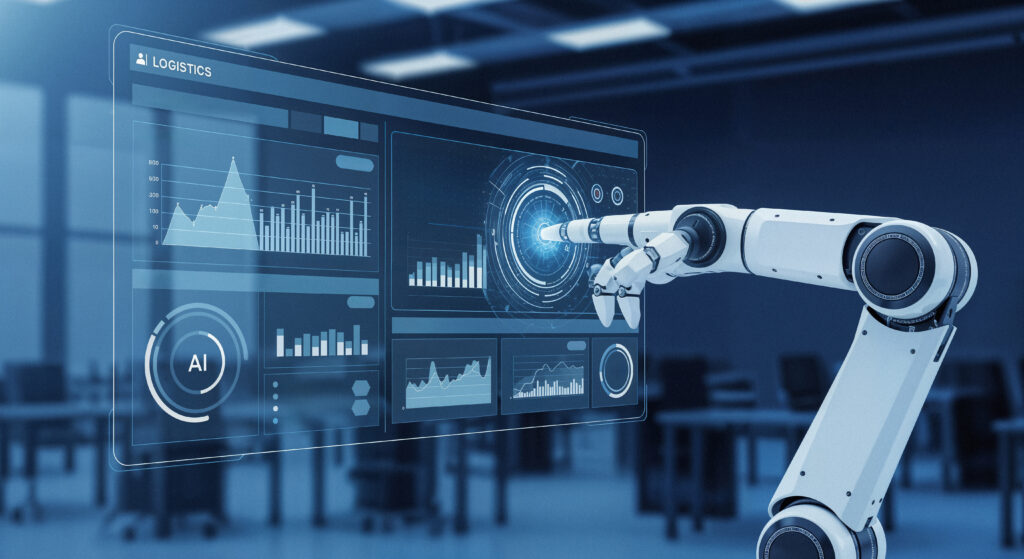
Real-World Robotics Beyond Controlled Environments
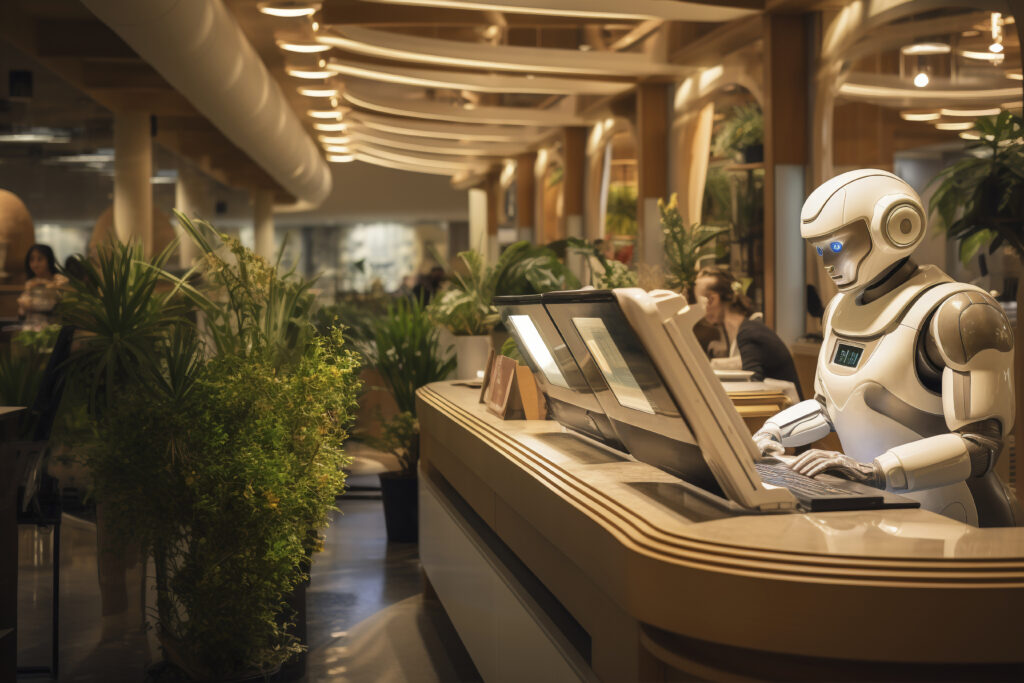
Intelligent robotics is expanding beyond factories and warehouses. Retail, healthcare, logistics, and public spaces are now adopting robotic systems that operate in dynamic, human-centered environments.
These environments require more than automation. They demand perception, adaptability, and reliability. AI enables robots to operate safely and effectively in real-world conditions, where unpredictability is the norm rather than the exception.
Designing Robotics Around User Experience
Another major shift is the growing focus on user experience. In 2025, successful robotic systems are not just technically impressive — they are intuitive, seamless, and easy to interact with.
AI helps bridge the gap between complex systems and simple experiences. By abstracting complexity behind intelligent interfaces, robotics can feel natural and accessible rather than mechanical or intimidating.
Looking Ahead: The Future of Intelligent Robotics
As AI continues to evolve, robotics will increasingly move toward contextual awareness and autonomous decision-making. The most impactful systems will not be those that simply perform tasks, but those that understand when, how, and why to act.
In the years ahead, the distinction between software and hardware will continue to blur. Robotics will become a core part of intelligent digital ecosystems, driven by data, powered by AI, and designed for real-world impact.
Final Thoughts
Robotics in 2025 is no longer just about automation. It is about intelligence, adaptability, and integration. Businesses that embrace this shift will unlock new levels of efficiency, resilience, and innovation.
At moblers, we believe the future of robotics lies at the intersection of software, AI, and thoughtful design. As intelligent systems become more embedded in everyday environments, the challenge — and opportunity — will be to build robotics that truly understand the world they operate in.